
Gather round the card table on a Friday arvo and the first thing mates argue over is the rebuy rule. You want the game to keep moving without blowing up the bankroll limit, and that means setting a clear home poker tournament rebuys policy before the first hand is dealt. I’ve run these nights in Adelaide living rooms and watched the difference between a sloppy rebuy window and a tight one play out in real time. The right approach keeps things fair, keeps the pot moving, and stops one bad beat from turning into a shouting match.
Setting the Rebuy Window Without Breaking the Bank
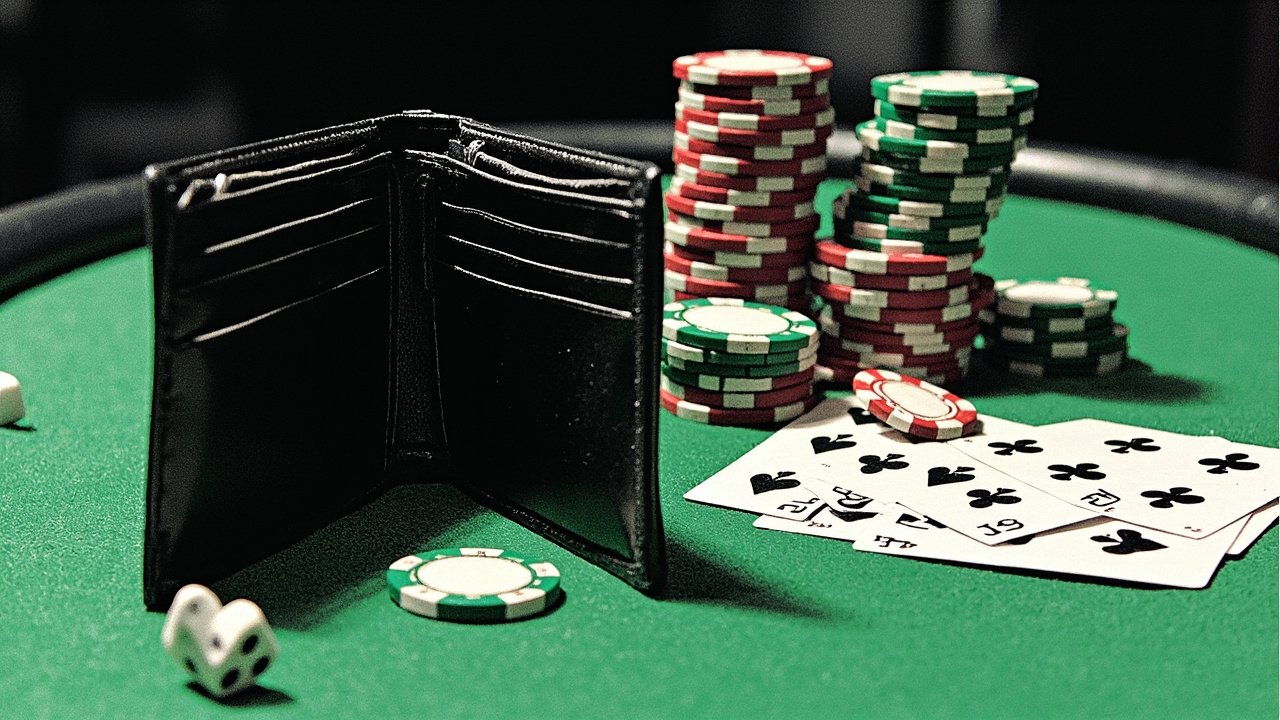
The rebuy window is the first decision you make, and it shapes the whole night more than the blind structure does. I usually cap it at the first two levels, roughly thirty minutes of play, because anything longer and you’re just letting tired players throw chips back in without reading the table. The Watling and Mills companies were early giants of American slot manufacturing, and they understood something about pacing that still applies here: if you let the entry point drift, the rhythm collapses and the game loses its shape. I’ve seen a mate in Adelaide run a rebuy window that stayed open through level three, and by the time the blinds hit, three players had rebuy twice and the final table felt unbalanced from the start.
A sensible cap means everyone knows exactly when they can top up and when they’re playing with what’s left. You can print a quick sheet with the levels and the cutoff time, or just call it out before the cards hit the felt. The point is to keep the rebuy from becoming a second chance to fix a bad start, and instead treat it as a measured reset for a genuine disconnect. When I’ve run these nights, I’ve found the cleanest nights happen when the host calls the window loud and early, then sticks to it even when someone pleads for an extra minute.
| Rebuy Setup | Typical Window | Best Fit |
|---|---|---|
| Tight cap | First two levels | Balanced final tables, quicker evenings |
| Open window | Through level three | Longer sessions, more variance |
| No rebuy | None | Low-stakes social nights, fixed buy-ins |
Sophie Ryan, Gaming Technology Consultant, Australian Gaming Futures, put it plainly when I asked about pacing in home games: “The rebuy window should match the blind speed, not the host’s enthusiasm.” That’s the kind of call I’ve learned to make after running enough nights to see the difference between a smooth table and one that drags. If you’re playing for fun and a bit of side action, the tighter window keeps the game honest and the evening moving. If you let it stretch, you’re asking for a table full of half-committed players and a final hand that feels rushed.
Reading the Table and Managing the Chip Stacks
Once the rebuy window closes, the real work starts, and that’s where most home games lose their shape. You’re not running a casino floor, but the same discipline applies: track the stacks, watch the rebuy survivors, and don’t let one player sit on a mountain of chips without a reason. I’ve sat at a table in a suburban Adelaide unit where a guy rebuy’d, then sat out two levels waiting for a spot, and the whole table ended up grinding because the action never reached him. That’s the kind of quiet slowdown that turns a lively night into a long one.
That same focus on distribution and momentum matters just as much when you step away from the felt and into the digital reels. You can see how disciplined bankroll tracking and pattern recognition carry over when you explore the gates of olympus pragmatic at https://gates-of-olympus-slots-au.com/. Treat every session like a controlled experiment, and you will keep your edge sharp regardless of the venue.
A practical move is to set a soft cap on how many rebuys a player can take, even if your window is generous. Two is usually enough for a home night, because anything more and you’re effectively letting someone buy their way back into a position they didn’t earn on the day. I’ve also found it helps to call out the rebuy total at the end of the window, so everyone knows who’s sitting with a fresh stack and who’s playing catch-up. That transparency stops the quiet resentment that builds when one mate thinks another is getting a hidden second chance.
When I’ve run these nights, I’ve learned to watch the rebuy players closely in the first level after the cutoff. They tend to either play too tight, trying to recover without risk, or they go the other way and force action to make back the lost time. Either way, the table needs to adjust, and the host’s job is to keep the blinds moving and the action honest. If you’ve ever watched a home game stall because one player sat on a big stack and refused to engage, you’ll know why that first post-rebuy level matters more than the cards themselves.
Payouts, Side Pots, and Keeping the Night Social
The payout structure is where a home game either stays friendly or starts feeling like a grudge match. I keep it simple: top three gets paid, the rest walk away with their pride and whatever snacks are left on the table. The point of a home night is the social bit, not turning the lounge room into a mini sportsbook operation, and I’ve seen enough nights go sideways when the payouts get fiddly and people start keeping mental score of every dollar. If you’re running a rebuy, the payout math should stay clean, because a messy split at the end is the fastest way to sour the room.
Side pots and chip races are the other spot where a clear rule saves the night. I’ve sat through a hand in an Adelaide backroom where two players went all-in, a third player rebuy’d mid-hand, and the table spent ten minutes arguing over whose chips counted where. No one won that argument, and the mood took a hit that lasted the rest of the evening. The fix is simple: call the rebuy window closed before the hand starts, and if someone’s already in a pot, their rebuy doesn’t touch it. That keeps the action clean and stops the table from turning into a debate club.

Sophie Ryan, Gaming Technology Consultant, Australian Gaming Futures, also noted that home games survive on clarity, not complexity: “The players who stay longest are the ones who know the rules before they sit down.” I reckon that’s the real takeaway from any rebuy setup. If you’ve set the window, capped the rebuys, and kept the payouts simple, the night runs on its own momentum. The cards will do what they do, and the room stays busy as it should without anyone keeping a spreadsheet of who owes what.
Running a solid home poker tournament rebuys policy comes down to three things: a tight window, a clear cap, and payouts that don’t need a calculator. Get those right and the table stays honest, the blinds keep moving, and the night ends with everyone still talking to each other. If you let the rebuy drift or stack the rules too high, you’re asking for a long evening and a short temper, and that’s not how a good home game is supposed to go.