
If you have ever wondered why a tournament entry fee feels heavier than the chips you actually receive, you are not alone. The gap between what you pay and what you start with is the risk premium, and it shapes every buy-in decision on the felt. In this poker tournament risk premium explained piece, I will walk through how that premium works, why operators build it in, and what it means for your bankroll when you sit down at an Aussie-friendly table.
What the Risk Premium Actually Covers
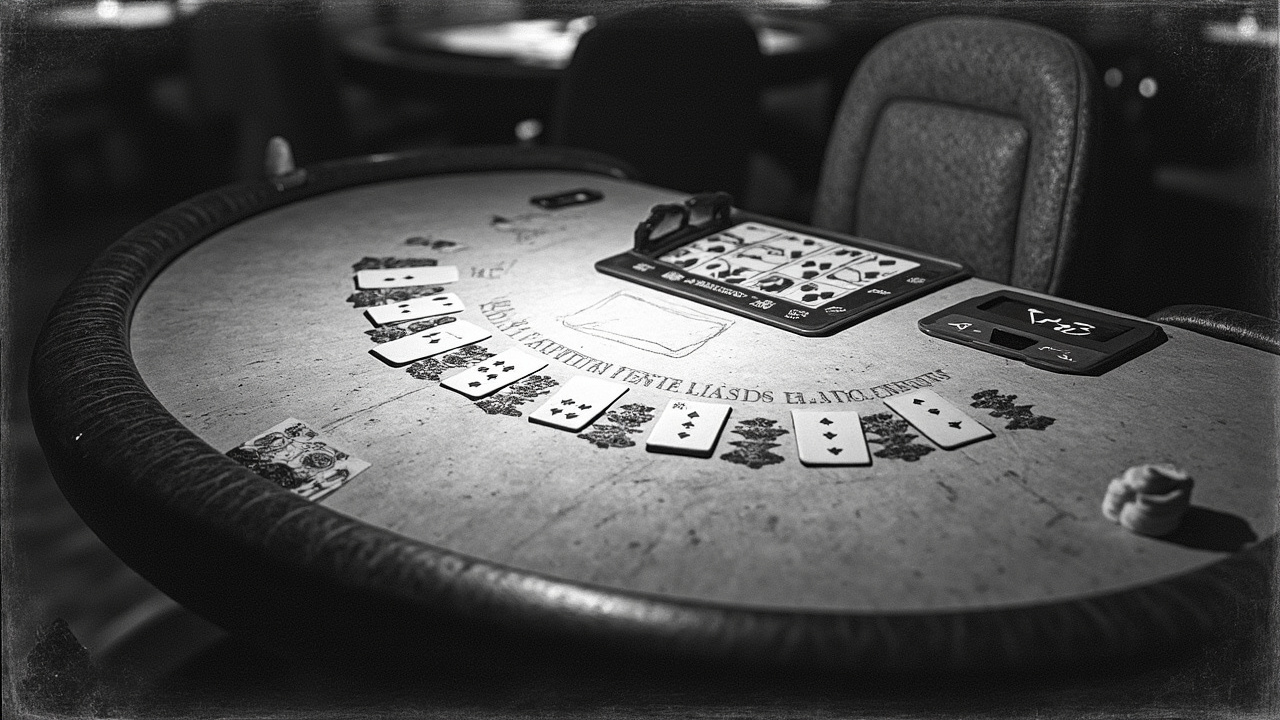
The risk premium is the extra amount you pay above the pure expected value of your starting stack. Operators factor in table variance, rake structure, and the cost of running a smooth tournament engine. When I have sat in on recruitment ops for iGaming desks across Melbourne and Western Sydney, I have seen how tightly these costs are modelled, because a poorly priced tournament burns through liquidity and drives players straight to a ricky casino no deposit bonus as a substitute thrill. The premium is not a hidden tax; it is the price of entry into a structured event with fixed blinds, timed levels, and a payout ladder that rewards survival as much as aggression.
| Detail | What it means for your buy-in |
|---|---|
| Starting stack vs. fee | The gap between chips and cash is the premium you are paying upfront |
| Rake and seat costs | A portion of every fee funds the table infrastructure and dealer overhead |
| Variance buffer | Operators price for swings, so short sessions still cover running costs |
How the Premium Shapes Tournament Economics
The buy-in split and where the money goes
A tournament fee is usually split into two parts: the portion that converts to your starting stack, and the portion that covers house costs. That second slice is where the risk premium lives. It pays for the software, the floor staff, the compliance checks, and the payout pool that sits above your raw chip value. I have reviewed ATS workflows for remote gaming teams that track these splits down to the cent, because if the premium drifts too high, retention falls off a cliff. Players can feel the difference within the first hour, especially when blinds climb and the premium has already been collected. Rincondocentemfyc
Variance, rake, and the cost of running a table
Variance is the engine behind the premium. A tournament can end in minutes or stretch past a long arvo, and the operator has to cover fixed costs regardless of how quickly someone gets eliminated. Rake structures and seat fees are calibrated so that the house does not bleed when a table runs hot or cold. Lucas Campbell, Head of Analytics, Banksia Betting Partners, has noted that premium pricing is less about gouging and more about keeping a tournament solvent across a full field, which is why entry costs often look flat even when prize pools vary. That analytical lens matters, because it explains why a smaller buy-in does not always mean a softer field.
Why a natural 7 or 11 is a useful comparison
If you have ever rolled a natural in craps, you know what a clean, immediate payoff feels like. A natural is a 7 or 11 on the come-out roll, and it settles the hand fast without extra complication. Tournament premiums work in the opposite direction: you pay for the chance to survive long enough to catch those clean moments, not for a guaranteed instant result. James McKenzie, Managing Partner, Eucalypt Digital Advisory, has argued that players who treat the premium as an insurance cost against variance tend to make calmer table decisions, because they stop expecting every buy-in to pay back in one orbit. That mindset shift is where the real edge sits.
Who the Premium Suits Best
If you are the type who likes a measured pace and can sit through a slow build without chasing every blind, the premium is usually fair value. It rewards patience, stack management, and the kind of table selection you would bring to a busy recruitment shortlist in Western Sydney, where you weigh fit over hype. Players who prefer instant action or who bankroll lightly may find the fee pressure mounts faster than their comfort zone, especially when levels tick up and the premium has already been paid in full. The right fit is the player who treats the entry as a planned session cost, not a sprint for a quick refund.

If you reckon the premium is just another line item or a genuine buffer that keeps a tournament honest, I would love to hear how you read the fee on your next buy-in – drop a comment, send this to a mate, or tell me what your arvo session taught you about the price of staying in the pot.