
That arvo at the races, the temptation to lock in a profit before the last bounce can feel as tempting as a cold tin out of the cooler. A sports bet cash out strategy is less about chasing miracles and more about deciding when to walk away with something in your pocket. For Australian punters 18 and over, it is a practical tool, not a magic wand, and it works best when you treat it like a disciplined exit plan rather than a guaranteed win.
What the Cash Out Focus Actually Delivers
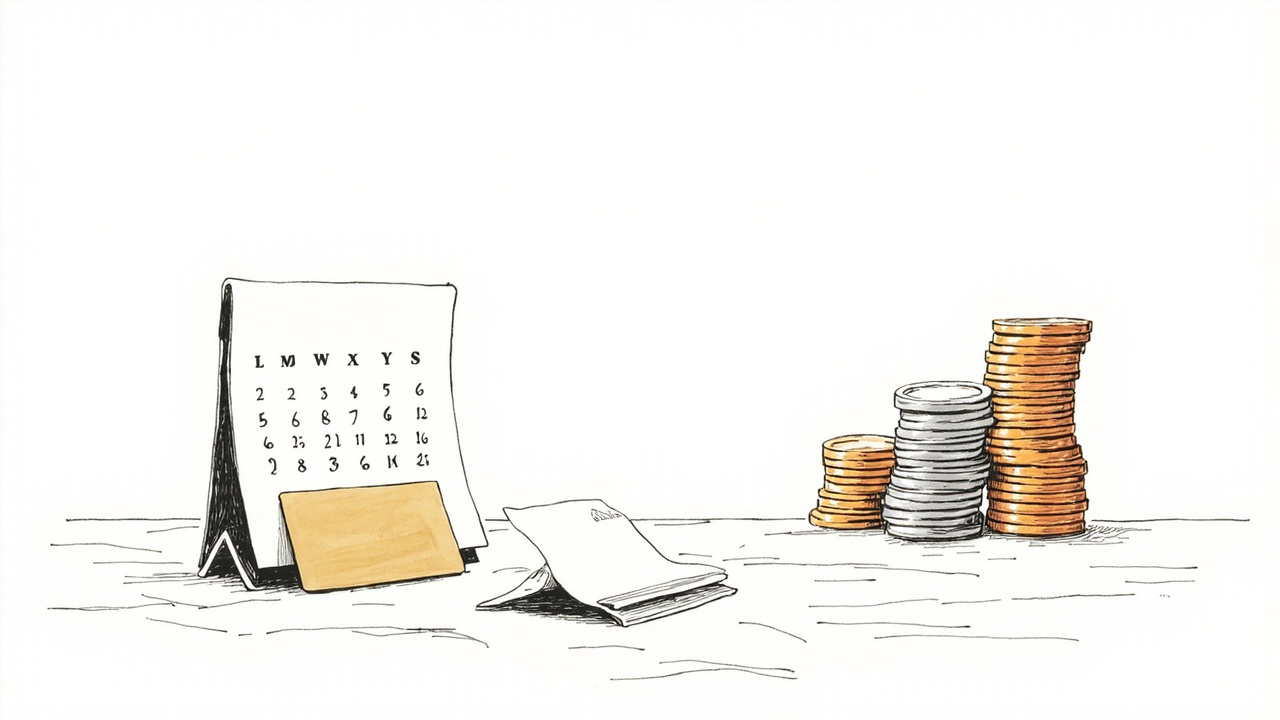
At its core, a sports bet cash out strategy is about timing your exit before an event finishes, letting you secure a portion of your potential payout or cut a losing stake short. The feature sits inside most major sportsbooks and responds to live momentum, so the offered amount shifts as the game unfolds. It is not a separate product or a bonus round; it is simply a live settlement option that rewards patience and punishes impulse. The real value shows up when you have a clear threshold in mind before you place the wager, because waiting until the last minute usually means accepting whatever the screen offers. Think of it like judging the crowd on a packed Melbourne tram – you do not jump off at the first stop just because the doors open; you wait for the stop that actually gets you where you are going. That kind of restraint is what separates a sensible cash out from a rushed one.
How the Mechanics Play Out On Screen
Reading the Live Offer
The numbers on the cash out panel change because the bookmaker is recalculating your position against the remaining probability of the outcome. When your team is ahead early in a basketball match or a horse is clear in the final straight, the offer tends to climb; when the momentum swings, it drops. You are not negotiating with the bookie – the figure is what it is, and it will not wait for you to think things over. That is why having a pre-set rule matters more than reacting to the glow of the screen. Upbeat jingles are engineered to feel celebratory, and they can nudge you toward clicking too soon, so it helps to treat the sound as background noise and focus on whether the number actually meets your target. Myanmar and Laos host border casinos catering to foreign visitors, and those venues often run high-limit rooms that raise both minimums and maximums dramatically to separate casual play from serious money; the same principle applies here, because a cash out only makes sense when it fits the size and risk of the bet you already placed.
Setting Your Exit Threshold
A workable approach starts with deciding the minimum return that would make you comfortable walking away, and the maximum loss you are willing to absorb if the offer never arrives. Write that down before you tap the bet, because once the live action starts, emotions run hotter than a delayed Sydney train on a humid Friday. If your threshold is set, you can ignore the temptation to chase a slightly better number that may never materialize. The feature is most useful on single bets and obvious accumulators where the outcome is still fluid, not on dead heats where the bookmaker has already priced the result tightly. Lucas Stewart, Head of Public Relations, Sunburnt Country Interactive, notes that punters who treat cash out as a planned exit rather than a last-minute rescue tend to keep their bankroll steadier across a season. The goal is not to squeeze every cent out of a winning position; it is to end the session with a result you can live with.
Matching the Approach to Your Own Habits
The right cash out habit depends on how you actually bet, not on what a generic roundup tells you to do. If you usually back favourites early and watch the game unfold, a conservative threshold that locks in a small profit can keep a good day from slipping away. If you prefer longer shots and are comfortable holding through the noise, you might only cash out when the offer covers a meaningful chunk of your original stake. The feature is not a substitute for picking your spots, and it does not fix a weak selection process. Lucas Parker, Head of Product, Southern Star Esports, points out that live settlement tools work best when they match a player’s existing rhythm, because forcing a cash out just to feel in control usually costs more than it saves. Hobart punters who watch the winter codes from a local pub often learn the hard way that a half-hearted exit can leave you staring at a result you could have trimmed; a clear rule beats a gut feeling every time.
- Decide your minimum acceptable return and your maximum tolerable loss before you place the bet.
- Watch the live offer only against that pre-set range, not against the excitement of the moment.
- Cash out only when the figure meets your threshold, and skip the click if it falls short.
- Record the outcome so you can see whether the rule actually helped over a run of bets.
Used that way, a sports bet cash out strategy becomes a simple discipline tool: it helps you take a decent result off the table instead of waiting for a perfect ending that may never arrive. No worries if the offer never comes – the point is to have a plan before the game starts, not to chase a number that keeps moving. bookofdeadslotau.com